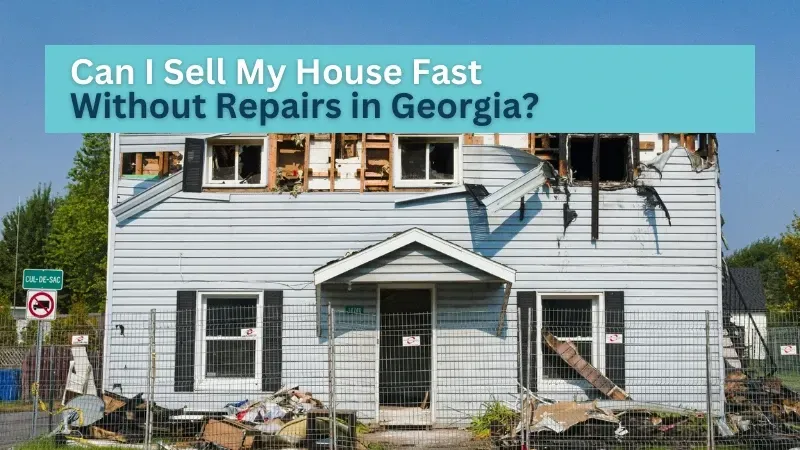
Can I Sell My House Fast Without Repairs in Georgia?
If your home needs work, it can feel like you are stuck in place. Peeling paint, an aging roof, outdated bathrooms, or a worn front door can make the idea of selling feel overwhelming. When repair estimates start adding up, it is easy to assume you must fix everything before putting the house on the market.
Many homeowners pause their plans because they believe upgrades are required to attract buyers. They worry that without improvements, the home will sit unsold or sell for far less than expected. At the same time, investing more money into a property you are ready to leave behind may not make sense.
The reality is you can sell a house without completing repairs. The key is understanding how to do it strategically so you protect your timeline, avoid unnecessary expenses, and move forward with confidence.
Why Repairs Slow Down Selling
Traditional real estate advice usually starts with preparation. The focus is on making the home look polished and move-in ready before it ever hits the market. That approach can help in certain situations, especially when you are trying to attract retail buyers.
Common recommendations include:
Improve curb appeal
Repaint walls in neutral colors
Complete minor repairs
Upgrade fixtures
Deep clean every room
These steps are meant to attract potential buyers and increase the chance of reaching top dollar. In competitive local real estate markets, homes sell faster when they look updated and well-maintained.
The challenge is that preparation costs time and money. Home improvements often require hiring contractors, scheduling work, purchasing materials, and paying upfront expenses. Even small updates can push your listing back several weeks. Larger projects can delay it for months.
If your main goal is to sell quickly, extensive repairs may actually slow you down instead of helping you move forward.

Listing As-Is With an Agent
You can list a property in its current condition. Not every home has to be fully updated before going on the market. However, when you choose to work with a real estate agent and skip improvements, there are important factors to consider.
Pricing becomes even more important. If the home shows wear or deferred maintenance, buyers who are interested will usually expect a lower number, making it harder pricing your home. Setting the right price from the start can determine how quickly the home attracts attention.
Inspections are another key step. Even if you list the property as-is, financed buyers often request repair credits after inspections. Issues that seem minor can become negotiation points. Some problems may also raise red flags for lenders.
Appraisals can affect the final outcome as well. If the property does not meet lender standards, the buyer’s financing may be delayed or denied. While homes sell in many conditions, listing without repairs often leads to extended negotiations and a longer timeline.
What Buyers Look For
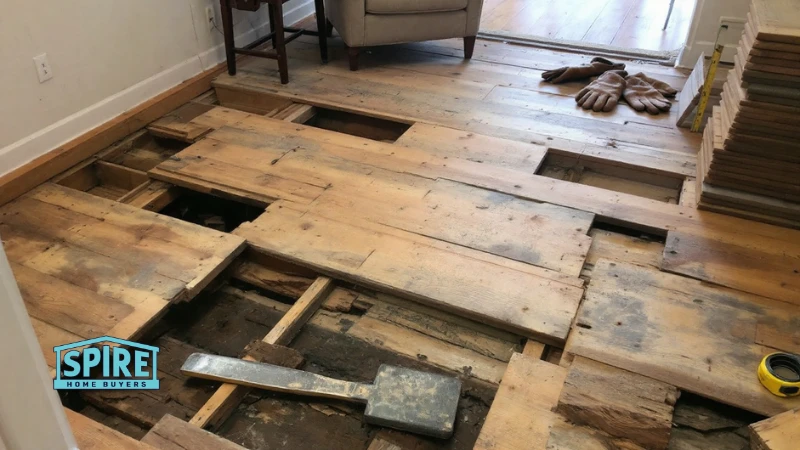
Before deciding how to move forward, it helps to understand how most retail buyers think. When people search for homes online or walk through showings, they are usually looking for something they can move into right away without additional work.
Retail buyers tend to focus on visible condition and overall presentation, including:
Flooring condition
Paint quality
Roof age
Kitchen and bathroom updates
Exterior appearance
Overall curb appeal
If they notice worn surfaces or outdated features, they immediately start calculating repair costs. Those estimated costs are often deducted from the offer they submit.
In strong markets, a bidding war can sometimes drive prices higher. However, homes that need noticeable work are less likely to attract multiple competitive offers. Buyers looking for turnkey properties often move on to the next listing.
This does not mean your property cannot sell. It simply means your approach should match the condition. Instead of competing for retail buyers who expect perfection, some homeowners choose to work with professional buyers like Spire Home Buyers, who evaluate properties based on potential rather than appearance.
The Cost of Waiting for More
Wanting the highest possible price is understandable. Every homeowner hopes to walk away with the strongest number. However, aiming for top dollar often means investing time and money before the home ever sells.
To compete for premium pricing, sellers may spend on:
Home improvements
Landscaping updates
Exterior cleaning
Interior painting in neutral colors
Replacing worn fixtures
Minor repairs before inspection
Those costs add up quickly. What begins as a few small upgrades can turn into weeks of preparation and unexpected expenses.
After the work is done, the waiting begins. You wait for buyers interested in your price range. You wait for showings to generate offers. You wait for financing approval and inspections to clear.
If your goal is to sell your house fast, this approach can stretch the timeline longer than planned. The real question is whether the extra effort truly increases what you keep after expenses, or simply delays your next step.

Sell As-Is and Move Forward
If you do not want to spend time or money on upgrades, selling as-is offers a practical solution. Instead of preparing the home to meet retail expectations, you can choose a process built around simplicity and speed.
Rather than focusing on presentation, a direct sale focuses on resolution. You avoid the cycle of fixing, staging, and waiting. The goal shifts from impressing potential buyers to completing the transaction efficiently.
With Spire Home Buyers, the process is straightforward:
You provide basic information about the property
The home is evaluated based on its current condition and local market data
You receive a clear cash offer
You choose your closing timeline
There is no requirement to replace flooring.
There is no need to repaint in neutral colors.
There is no demand to improve curb appeal or complete cosmetic upgrades.
The property is purchased as-is, which removes delays and reduces stress.
For many homeowners, this approach is not about cutting corners. It is about recognizing that time, certainty, and simplicity often matter more than investing additional money into a property you are ready to leave behind.
Why As-Is Sales Move Faster
Retail buyers usually rely on mortgage financing, and that process introduces several layers of review. Lenders require appraisals to confirm value and often have minimum property standards. If maintenance issues are flagged, repairs may be required before the loan can move forward. Even small concerns can trigger delays, renegotiations, or additional inspections.
When you sell directly, those financing contingencies are removed from the equation. There is no appraisal tied to a bank loan. There is no repair list mandated by a lender. There is no extended underwriting process reviewing the buyer’s income and credit. Eliminating these steps removes the most common causes of stalled closings.
Fewer variables mean fewer surprises. Instead of waiting for third parties to approve the transaction, you move through a clear and defined process. If your goal is to sell quickly without completing home improvements, an as-is sale aligns better with your timeline and reduces the risk of last-minute complications.

What Happens to the Sale Price?
Selling as-is usually means the offer reflects the current condition.
That does not automatically mean you are losing money. It means the cost of repairs is factored into the offer upfront rather than negotiated later.
When comparing options, consider:
The cost of repairs
The cost of holding the property longer
Mortgage payments during the time to sell
Utilities and maintenance
Marketing and staging expenses
Sometimes the difference between a prepared listing and an as-is sale is smaller than expected.
The true comparison is what you walk away with and how quickly you receive it.

When Selling As-Is Makes Sense
There are times when fixing up a property simply does not make practical or financial sense. While upgrades can improve appearance, they also require time, money, and energy. In certain situations, moving forward quickly is more important than renovating.
Selling without repairs often makes sense when you are facing:
Relocation deadlines for work or family
Financial pressure from mortgage payments or other debts
Inherited property you do not plan to keep
Landlord fatigue from managing tenants and maintenance
Major systems needing replacement, such as the roof, HVAC, or plumbing
In these situations, waiting to renovate can increase stress. Every additional month may mean more expenses, more uncertainty, and more responsibility tied to the property.
Choosing to sell as-is allows you to shift focus from repairs to resolution. Instead of coordinating contractors or investing in upgrades, you create a clear plan to move forward. For many homeowners, that clarity and closure are worth more than attempting to perfect the property before selling.
Common Concerns About Selling As-Is
It is normal to have questions when considering an as-is sale. Many homeowners hesitate because they worry about how the market will respond to a property that needs work.
Common concerns include:
Will there be buyers interested if the house needs updates?
Will I receive a fair offer?
Can I really sell your home without staging or cosmetic fixes?
The answer depends on who you are targeting. Retail buyers often focus on appearance and may prefer move-in-ready homes. Professional buyers evaluate properties differently.
Spire Home Buyers looks at overall condition, location, and long-term potential rather than surface details. Instead of requiring upgrades or staging, the focus is on providing a clear cash offer based on current value. That difference makes selling as-is not only possible but practical for homeowners who want a straightforward solution.
A Simple and Flexible Way to Sell
Selling a home that needs work does not have to turn into a long project. With Spire Home Buyers, the focus is not on cosmetic appeal or perfect presentation. The focus is on resolving your situation efficiently and helping you move forward without unnecessary steps.
A direct sale removes many of the typical obstacles that slow transactions down. There are:
No showings to schedule
No open houses to prepare for
No back-and-forth negotiation after inspections
No repair lists required by lenders
Instead of juggling multiple moving parts, you review one clear cash offer and decide whether it works for you. If it fits your goals, you move forward. If it does not, there is no obligation. That level of clarity reduces uncertainty and keeps the process straightforward.
Another major advantage is control over your timeline. When you sell traditionally, you often adjust your plans around buyer financing and lender schedules. With a direct sale, you choose a closing date that aligns with your needs. Whether you need to move quickly or require extra time before relocation, the timeline is structured around you.
This flexibility often proves more valuable than chasing additional dollars through extended preparation. Every week spent coordinating contractors, inspections, and upgrades adds stress and delays your next step. Selling as-is allows you to shift your focus from fixing the property to planning what comes next.
When a home needs work, the list of tasks can feel endless:
Contractor estimates
Repair quotes
Permit approvals
Inspection requirements
Choosing not to manage those steps is not giving up. It is prioritizing simplicity and efficiency. If your goal is to sell your house fast and concentrate on your next chapter, reducing complications can be the smartest decision you make.
Ready to Move Forward?
If you are thinking about selling without repairs, the first step is simple. Get real information from a team that works directly with homeowners every day.
Call Spire Home Buyers and have a straightforward conversation about your property. Share a few basic details, ask your questions, and get a cash offer based on your home’s current condition. One phone call can replace weeks of uncertainty.

Frequently Asked Questions
Can I really sell without making any repairs?
Yes. Many properties are sold in their current condition. Direct buyers purchase homes as-is without requiring upgrades.
Will I receive less than market value?
Retail listings sometimes achieve higher numbers after improvements. However, repair costs, holding expenses, and time delays must be considered when comparing outcomes.
Do homes sell without curb appeal upgrades?
They can. Professional buyers evaluate value differently from retail buyers, who focus on appearance.
Is pricing important if I sell directly?
Yes. The offer is based on local real estate data and the condition of the property.
How fast can closing happen?
Without lender approvals, transactions often move faster than traditional financed sales.
Do I need to repaint in neutral colors?
No. Cosmetic updates are not required when selling directly.
What if my house has major issues like roof or foundation problems?
You can still sell. Direct buyers often purchase properties with structural or system issues and factor those conditions into the offer, allowing you to avoid large repair expenses.
Is getting a cash offer a commitment?
No. Requesting and reviewing an offer does not obligate you to accept it. It simply gives you clear numbers so you can make an informed decision.
Do I have to clean or empty the house before selling?
In most direct sales, extensive cleaning is not required. You do not need to stage the home or make it show-ready. Many buyers who purchase as-is properties understand that the home may need updates or a cleanout, which can simplify your move.
